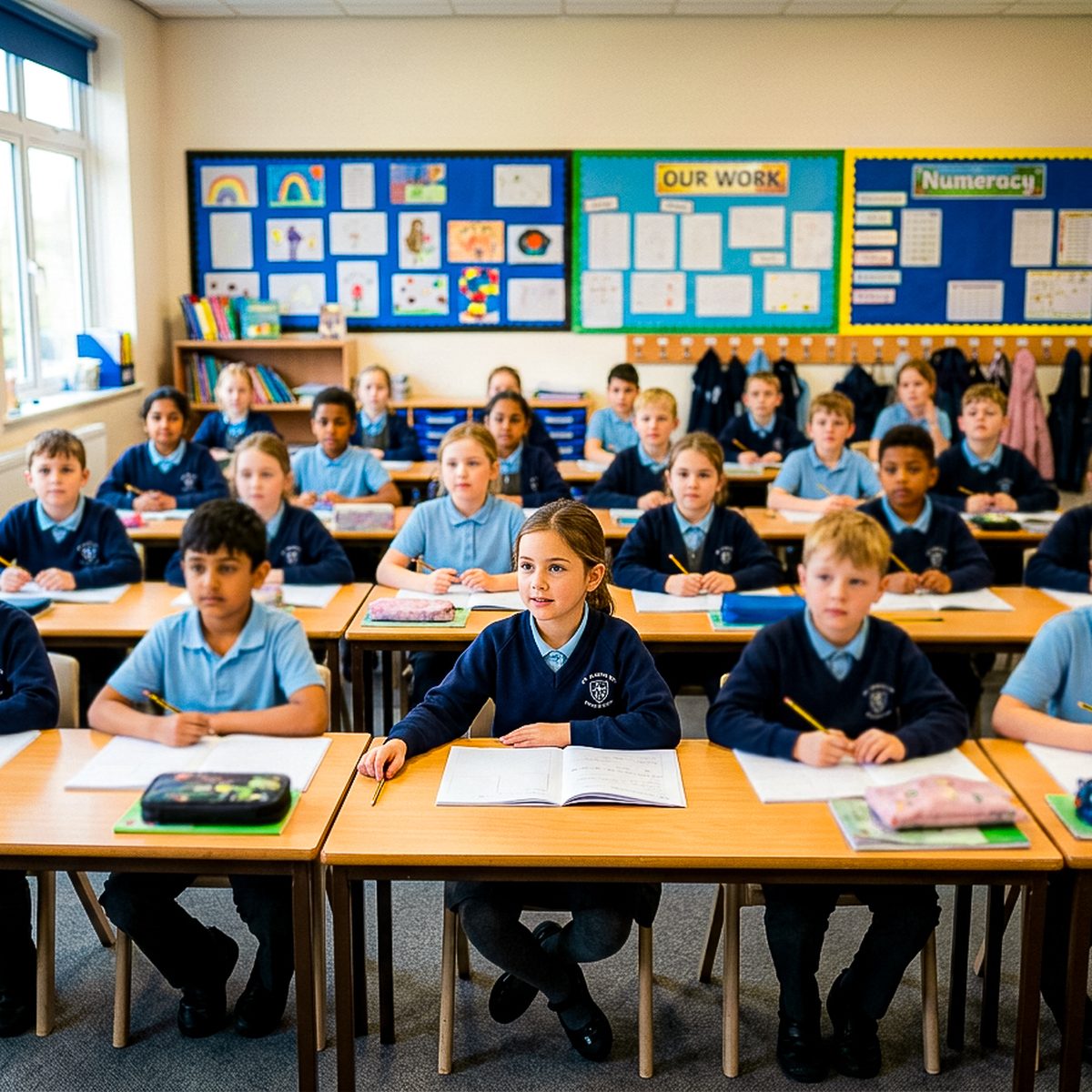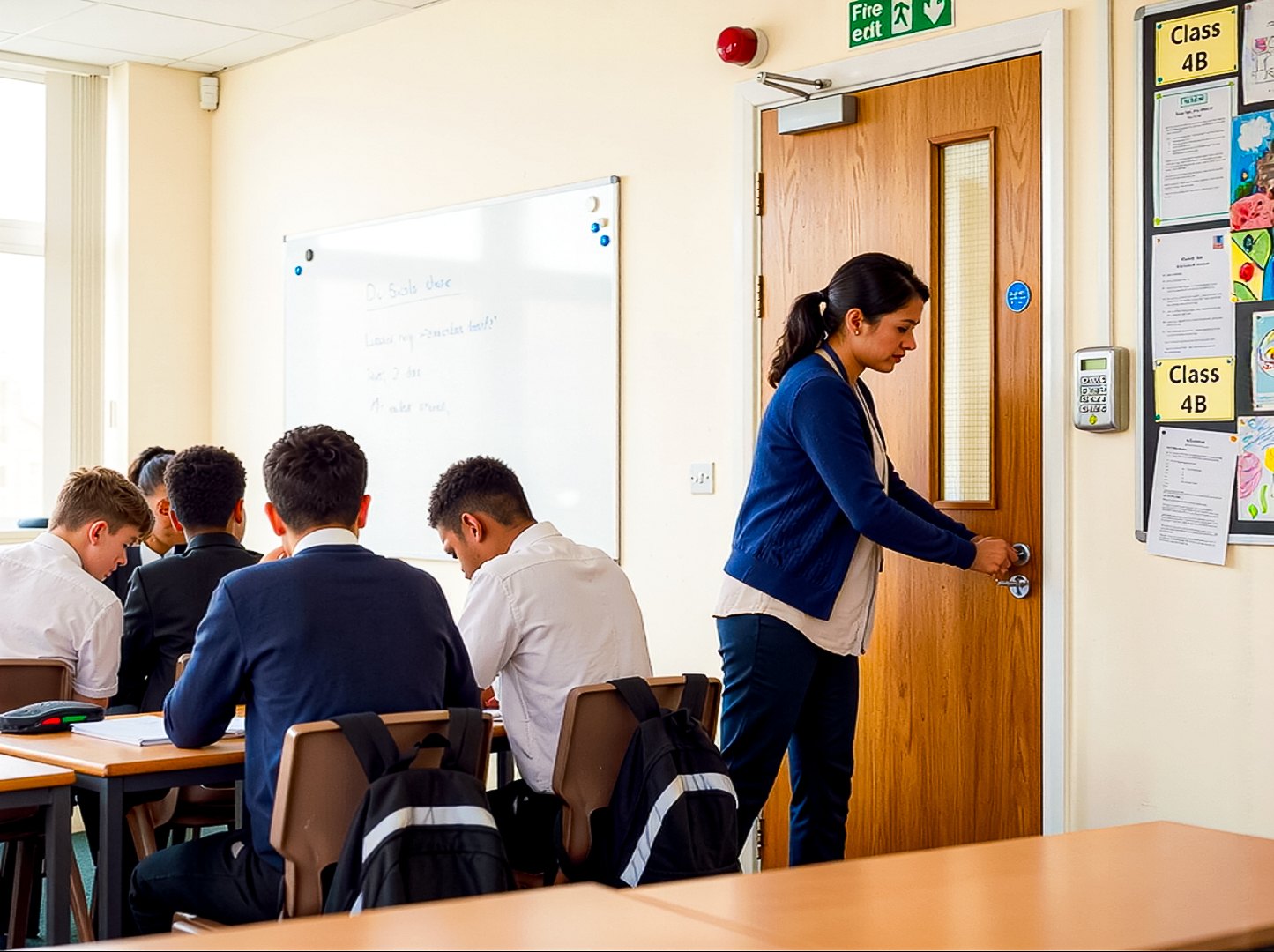



Schools across Scotland are back, and the in-tray is as full as usual. Results landed on 4 August, the first set awarded by Qualifications Scotland, with passes up at every level. But results day is one morning. Here are the three things we keep hearing about.
01 Additional support needs
More than a third of pupils in Scotland now have an identified additional support need. In 2009 it was closer to one in fifteen. Staffing has not moved anything like as far.
The McManus review, published in March, found a gap between Scotland’s ambition for inclusion and how support is actually experienced. All six recommendations were accepted, and four are about consistency: shared national planning, fewer differences between areas, staged intervention models that line up, clearer pathways between education, health and social care.
That is hard to deliver when the recording sits in different places and different formats in every authority. Meanwhile the statutory clocks in February’s Code of Practice run regardless. A co-ordinated support plan reviewed within twelve weeks of its anniversary. Assessment requests answered within eight. A plan transferred within four when a child moves authority.
Those dates do not move because a term is busy.
02 Phones
June’s guidance asks headteachers to restrict phone use during teaching hours as a minimum, and a consultation on a statutory ban is expected this term. Edinburgh’s own ban took effect at the start of term.
Whatever a school decides, it creates work. A policy, a conversation with parents, and a set of exemptions to hold, because pupils with caring responsibilities, medical conditions or additional support needs have to be considered. Which means somebody has to know exactly who those pupils are, and be able to show it.
03 Reform on top of the day job
The draft curriculum technical framework is due this month ahead of adoption in 2028, and National Course assessment changes take effect this session. The class contact reduction agreed in March is real relief, and for primary and special school teachers it is still a year away.
So the preparation time has been promised, and the reform has already started.
The thread
These are not three problems. They are one. Each asks a school to know its children better and to evidence it, and each arrives as more recording on top of a workload already serious enough to trigger a ballot.
That is the gap GroupEd works in: a clear view of the whole child, so the recording supports the decision rather than becoming the job. We are new to Scotland and would rather listen first. If this sounds like your term, we would like to hear how you are handling it.
Tell us how your term is going
Sources: Qualifications Scotland 2026 provisional attainment statistics; the McManus rapid review of additional support for learning, March 2026; Supporting Children’s Learning Code of Practice, fourth edition, February 2026; Scottish Government phone guidance, 30 June 2026; the Curriculum Improvement Cycle timeline; and the EIS, Scottish Government and COSLA class contact agreement, March 2026. All checked on 17 August 2026.